
"coffee growing in Central America"
2000 article(s) found

Dirkley-- the Father of Coffee trees in Central and South America
In the middle of the 18th century, cafes were opened in major cities in Europe, and the huge demand for coffee led to the popularity of growing coffee in Central America. At present, most of the Tibica coffee trees in Central America are related to the coffee mother tree transplanted by Deckley. In 1777, 19 million coffee trees were planted on Martinique Island alone. Haiti, Puerto Rico and Cuba in the Caribbean followed suit to grow coffee.
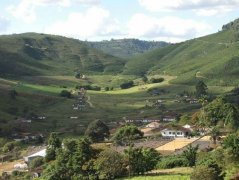
A detailed introduction to the cultivation of Coffee Manors in Central America
Central America knows Central America Coffee Central America is the land bridge connecting North and South America. There are seven countries, namely, Belize, Costa Rica, El Salvador, Guatemala, Honduras, Nicaragua and Panama. Seven Central American countries all produce coffee, with Guatemala, Costa Rica and Honduras among the top 10 coffee exporters in the world. Coffee began to flourish in Central America

Do American coffee beans represent that there are many coffee-growing places in America? evaluation of Central and South American Coffee
Professional Coffee knowledge Exchange more information about coffee beans Please follow the coffee workshop (official Wechat account cafe_style) every morning, millions of people around the world like to have a cup of coffee to start the day. In doing so, they may not know the exact location of the beans used to produce lattes or black coffee. Generally speaking, the top coffee growing and exporting regions in the world

Costa Rica, the first country in Central America to grow coffee, grows youdao.
For more information on coffee beans, follow the Coffee Workshop (official Wechat account cafe_style), the first country in Central America to grow coffee; government support for development began in Costa Rica in 1729, when it was introduced from Cuba. This made Costa Rica the first country in Central America to grow coffee and the first to grow coffee because of its commercial value.

Boutique coffee from Central America the first Nicaraguan coffee estate opened by Taiwanese in Central America
Professional barista communication Please follow the coffee workshop (Wechat official account cafe_style) because he likes drinking coffee and is interested in agriculture, so he bought a coffee farm; because he grows good coffee in Nicaragua, he introduces good coffee to Taiwan. The story of Anjing Manor Coffee Farm sounds incredible. Dr. Chen Ruoyu and Dr. Yang Ziqing used Taiwan's agricultural biotechnology.

An introduction to the coffee growing areas of Nicaragua with the highlands of the north-central part of Central America.
Nicaragua is located in central Central America, bordered by the Pacific Ocean to the west and the Caribbean Sea to the east. The highlands in the north and the coastal plains in the east are part of the Central American volcanic belt. The eastern plain is high-temperature and rainy, with a tropical maritime climate. The suitable climate provides an excellent growth environment for the cultivation of coffee. High-quality Nicaraguan coffee, grown in the north and middle of the country. Coffee is Ni.

A detailed introduction of the coffee production areas of Costa Rica on behalf of coffee from Central America.
For the exchange of professional baristas, please follow the Coffee Workshop (official Wechat account cafe_style). There are seven countries in Central America, namely, Belize, Costa Rica, El Salvador, Guatemala, Honduras, Nicaragua and Panama. All seven countries in Central America produce coffee, among which Guatemala, Costa Rica and Honduras are global coffee exporters.

Description of Flavor of Coffee Bean producing countries in North America introduction of Grinding scale Manor in producing area
North American coffee bean producing countries describe the taste of coffee varieties in the region grinding scale manor introduction coffee in Central America began in the 18th century, this important economic product originated in Costa Rica, about 1840. Since Central America became independent from Spain in 1821, there has been a lot of war. Because Costa Rica was far away from Guatemala City, the capital of the Spanish colony at that time, it was not affected.
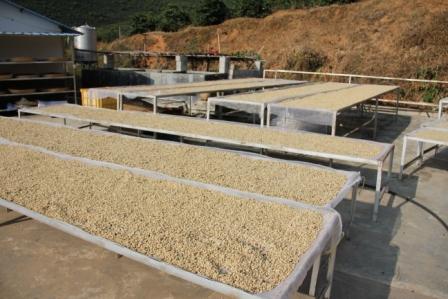
How to choose and buy coffee beans Salva Manor in Central America washing fermentation and sun drying
Coffee bean producing area-Central America-El Salvador is a highland terrain, is the smallest country in Central America, flanked by Guatemala and Honduras. Because there are two parallel mountains in the country, the volcanic soil is rich in minerals, and this special geographical environment makes El Salvador suitable for growing coffee. The coffee tree in El Salvador is Allah.
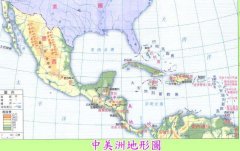
Learn more about the description of Central American boutique coffee on the coffee map.
Central America is a land bridge connecting North and South America. There are seven countries, namely, Belize, Costa Rica, El Salvador, Guatemala, Honduras, Nicaragua and Panama. Seven Central American countries all produce coffee, with Guatemala, Costa Rica and Honduras among the top 10 coffee exporters in the world. Coffee started in Central America in the 18th century, an important economy.

Story of the Origin of Coffee Bean cultivation in Central America and Costa Rica Coffee beans in Milasu Manor in Tara Pearl producing area
Professional coffee knowledge exchange more coffee bean information please follow the coffee workshop (Wechat official account cafe_style) Costa Rica's seven main coffee producing areas are distributed from northwest to southeast along with the inland central plateau. Costa Rican volcanic terrain has fertile volcanic ash, mild and suitable temperature, and stable abundance.

Parameters of Central American Salvadoran Coffee characteristics of Salvadoran Coffee producing areas
For the exchange of professional baristas, please follow the Coffee Workshop (official Wechat account cafe_style). There are seven countries in Central America, namely, Belize, Costa Rica, El Salvador, Guatemala, Honduras, Nicaragua and Panama. All seven countries in Central America produce coffee, among which Guatemala, Costa Rica and Honduras are global coffee exporters.

Coffee producing area-Central America. Introduction of coffee producing areas in Central American countries.
For more information on coffee beans, please follow the Coffee Workshop (official Wechat account cafe_style) the land bridge between Central and South America. There are seven countries, namely, Belize, Costa Rica, El Salvador, Guatemala, Honduras, Nicaragua and Panama. Coffee is produced in seven Central American countries, including Guatemala, Costa Rica and Hongdu.
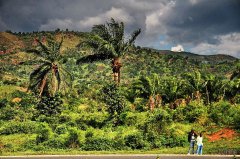
Nicaragua SHG boutique coffee beans the most classic flavor of coffee from Matagalpa, Central America.
Like most Central American coffee-producing countries, Nicaragua grows very well, with most high-end coffee beans coming from high-altitude estates, and these beans represent SHG grade (Strictly High Grown). Most of Nicaragua grows traditional coffee varieties, such as Tibica, bourbon, National Treasure Coffee, etc., as well as some Caturra coffee trees.

Recommendation of West Valley Manor in the Western Valley of Costa Rica
West Valley Manor in the western valley of Costa Rica recommended Central America as a land bridge connecting North and South America. There are seven countries, namely, Belize, Costa Rica, El Salvador, Guatemala, Honduras, Nicaragua and Panama. Seven Central American countries all produce coffee, with Guatemala, Costa Rica and Honduras among the top 10 coffee exporters in the world. Coffee

Coffee in Central America introduces the name and cultivation of coffee producing areas in seven countries.
For professional baristas, please follow the Coffee Workshop (official Wechat account cafe_style) 200Coffee School the land bridge between Central America and North and South America, there are seven countries: Belize, Costa Rica, El Salvador, Guatemala, Honduras, Nicaragua and Panama. Coffee is produced in seven Central American countries, including Guatemala, Costa Rica and Honduras.

What is the famous coffee in America? what is the output of American coffee? is South American coffee beans delicious?
Professional coffee knowledge exchange more coffee bean information please follow the coffee workshop (Wechat official account cafe_style) Coffee growing area of the Americas in North America, Mexico is the ninth largest coffee exporter in the world. Production is mainly concentrated in the south-central and southern parts of the country and grows particularly well in the Sokonusco coastal area of Chiapas near the Guatemalan border. In Central America and the South

Boutique coffee beans growing at Linna Manor in Nicaragua, one of the poorest countries in Central America.
Among them, in Costa Rica, where the government strictly controls the use of water, coffee farmers have created honey treatments named to retain different thicknesses of flesh, including yellow honey and red honey, the thinnest layers of flesh, and black honey, the famous owner of the former Costa Rican COE champion La Brumas de Zurqui. Traditionally, Nicaragua is

Dirkley's "Father of Coffee trees in Central and South America"
In the middle of the 18th century, cafes were opened in major cities in Europe, and the huge demand for coffee led to the popularity of growing coffee in Central America. At present, most of the Tibica coffee trees in Central America are related to the coffee mother tree transplanted by Deckley. In 1777, 19 million coffee trees were planted on Martinique Island alone. Haiti, Puerto Rico and Cuba in the Caribbean followed suit to grow coffee.
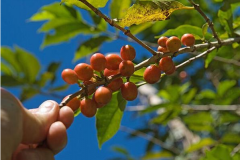
Coffee trip-Central and South America. Quality and characteristics of cultivation environment in various zones
Professional coffee knowledge exchange more coffee bean information please follow the coffee workshop (Wechat official account cafe_style) understanding Central American Coffee-Central America is the land bridge connecting North and South America, there are seven countries, namely, Belize, Costa Rica, El Salvador, Guatemala, Honduras, Nicaragua and Panama. All seven countries in Central America produce coffee, including Guatemala